

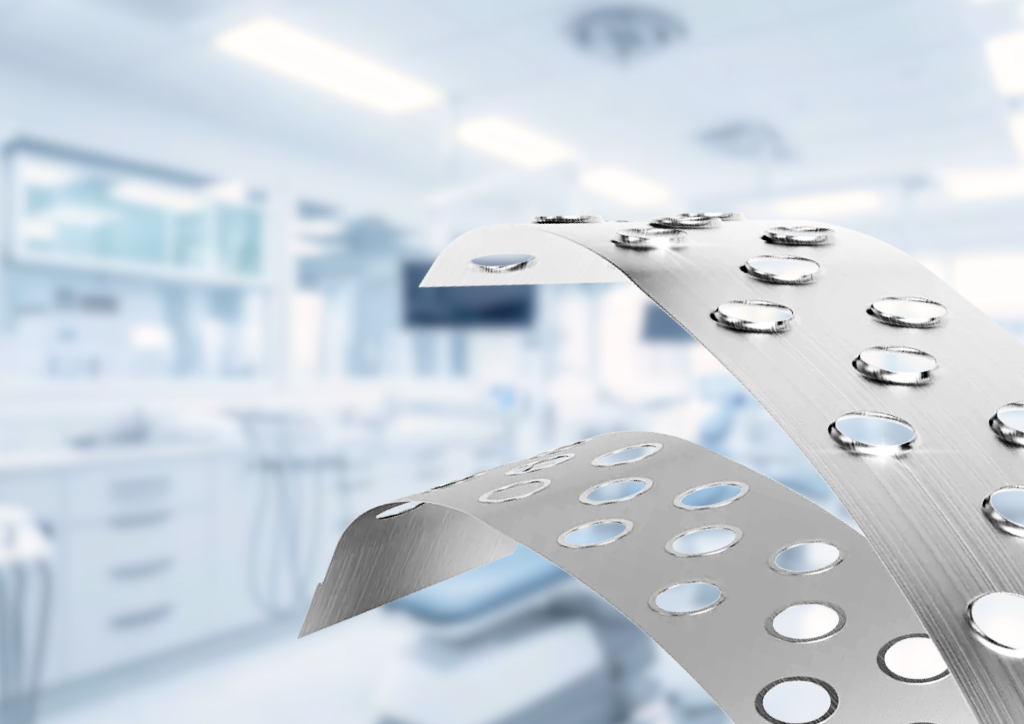
Prophylactic strips are slender, flexible dental tools widely used by dental professionals to clean and polish the surfaces of teeth — especially those hard-to-reach spaces between adjacent teeth (the interproximal areas). They serve as an adjunct to professional prophylaxis (preventive cleaning) to remove plaque, calculus (tartar), and surface irregularities that can contribute to periodontal disease and decay when left untreated.
What Prophylactic Strips Do
At their core, prophylactic strips are designed to:
- Remove plaque and tartar from narrow spaces between teeth where dental instruments and brushes can’t easily reach.
- Respect tooth structure and restorations: Many strips use non-abrasive or micro-bladed surfaces to mechanically clean without unduly wearing down enamel or restorative materials.
- Aid finishing and polishing: They help smooth rough spots on restorations and tooth surfaces after dental procedures, contributing to better oral hygiene and comfort.
Typically made from stainless steel, these strips may incorporate micro-blades or textured surfaces that mechanically disrupt calculus deposits while preserving healthy enamel.
How They’re Used
Dentists or hygienists gently insert the strip into the contact area between two teeth. Using controlled back-and-forth motions, the active surface works against plaque and calculus, breaking it free and lifting it away. When performed skillfully, this technique can enhance the thoroughness of a professional cleaning without irritating gums or damaging restorations — though proper training and care are essential.
Because the strips access narrow areas, they are especially valuable in patients with tight contacts, orthodontic appliances (e.g., braces), or fine surface stains that a routine toothbrush can’t fully reach.
“Prophylactic Strips from Denfinity”: A Hypothetical Overview
While there’s no readily available product page or manufacturer information for Denfinity prophylactic strips online, we can imagine how such a product would fit into the dental market based on how similar strips are presented by established brands:
Potential Features
If Denfinity were to offer prophylactic strips, they might include:
- High-quality stainless steel construction for strength and resistance to corrosion.
- Non-abrasive or micro-bladed surfaces to mechanically remove plaque and calculus without damaging enamel, similar to TDV and Microdont designs.
- Thin, flexible profile for ease of access into tight interproximal spaces.
- Sterilizable or single-use options, depending on professional preference and infection control protocols.
- Varied grit or texture options for different levels of cleaning (e.g., gentle for sensitive patients, more aggressive for heavy buildup).
Intended Use
Denfinity prophylactic strips would likely target:
- Professional dental clinics and hygienists focused on preventive care.
- Orthodontic follow-up care, where interdental plaque accumulation is common.
- Restorative finishing, smoothing margins after composite fillings or other procedures.
Benefits
Such strips help:
- Enhance oral hygiene in areas where standard tools struggle to reach.
- Reduce risk of periodontal disease by removing biofilm and tartar.
- Improve patient outcomes with smoother, cleaner tooth surfaces less prone to decay.
Why Prophylactic Strips Matter in Dentistry
Dental professionals emphasize complete plaque and calculus removal as foundational to oral health. Prophylactic strips add precision to this process, complementing scalers, polishers, and brushes in a comprehensive preventive approach. Regular professional use, combined with at-home care, helps maintain gum health and prevent cavities — particularly in adults with tight tooth contacts or complex dental work.

Leave a Reply